- Magnets
- Raw magnetic materials
- Flexible magnets
- Magnetic systems
- Electromagnets
- Magnetic separation
- Contacts




















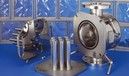


Magnets for recycling lines in practice
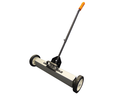
In a recycling line, millimeters, material flow speed, and correctly positioned separators often make the difference. That is why magnets for recycling lines are not just auxiliary technology. When properly designed, they directly influence the purity of sorted material, the protection of shredders and conveyors, and the economics of the entire operation.
In practice, it is not only about whether the magnet captures ferrous metal. The type of processed waste, material layer height, belt width, conveyor speed, particle size, and the presence of moisture or sticky contaminants also matter. If these parameters are underestimated, the result is usually weaker separation, equipment clogging, or unnecessary service interventions.
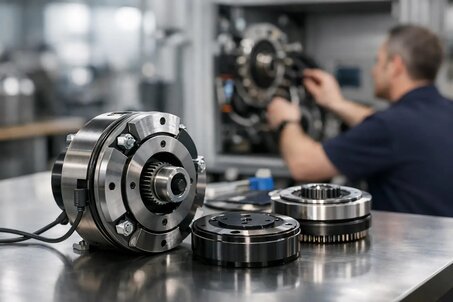
Electromagnetic clutch in practice
When a machine requires precise engagement or disengagement of a drive without lengthy mechanical intervention, electromagnetic clutches are often one of the first solutions considered. In practice, they determine whether power is transmitted at the correct moment, at the correct speed, and without unnecessary wear of the surrounding mechanism. For designers or maintenance teams, this is not a minor component on the edge of a project, but a functional element that directly affects the reliability of the entire assembly.
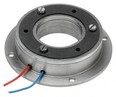
An electromagnetic clutch uses the force of a magnetic field to engage two parts of a drive system. When electric current is supplied to the coil, a magnetic field is created that attracts the armature or friction element and enables torque transmission. Once the power supply is disconnected, the clutch disengages, usually by means of a spring or the design of the air gap itself. This simplicity of operation is exactly why electromagnetic clutches are used in automation, packaging lines, conveyors, machine tools, and auxiliary drives.
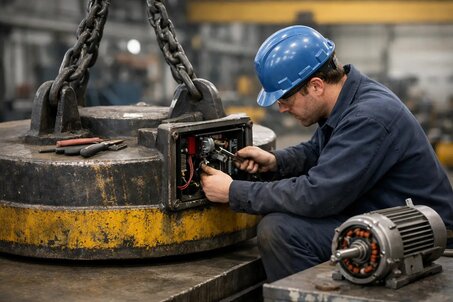
Magnetic equipment service for industry
In industrial operation, it is usually not only the strength of the installed magnetic system that matters, but also the condition in which it actually operates. This is exactly where industrial magnetic equipment servicing separates reliable technology from technology that starts causing downtime, inaccurate separation, or handling risks.
Magnetic equipment is often perceived as maintenance-free. That is only partly true. A permanent magnet itself does not require a conventional drive or lubrication, but the entire device is always a combination of mechanical, structural, and operational components. In separators, the condition of the housing, material flow, and cleanliness of the working surface are critical. In magnetic chucks, the flatness of the contact surfaces, the functionality of the switching mechanism, and the overall sealing of the system are essential. In lifting magnets or electromagnets, wear of control components, cables, power supply systems, and safety elements also becomes important.
When servicing is postponed, the problem usually does not appear all at once. First, efficiency decreases, then the need for operator intervention increases, and eventually a failure occurs that stops the process at the worst possible moment. In industry, servicing is therefore primarily a preventive tool.

Are magnets dangerous for electronics?
When a technician places a strong neodymium magnet next to a laptop or measuring instrument, the question usually comes immediately – are magnets dangerous for electronics, or is this more of a widespread myth? The answer is not black and white. It depends on the type of magnet, the distance, the duration of exposure, and the type of electronics involved.
In practice, two different issues are often confused. The first is damage to data or device functionality caused by a magnetic field. The second is a mechanical or operational risk, where a strong magnet attracts metal parts, interferes with a sensor, or causes unintended switching. For safe work with magnets, it is important to distinguish between these scenarios rather than relying on simplified assumptions.

What magnets to high temperature choose
Keď magnet v prevádzke zrazu „zoslabne“, problém býva často jednoduchší, než sa na prvý pohľad zdá. Nie je chybný kus ani zlá montáž, ale nesprávne zvolený materiál pre teplotné zaťaženie. Ak riešite, aké magnety do vysokej teploty použiť v stroji, prípravku, senzore alebo separačnej aplikácii, rozhoduje najmä pracovná teplota, stabilita magnetických vlastností a celkové podmienky prevádzky.
Pri výbere nestačí pozerať len na silu magnetu pri izbovej teplote. V technickej praxi je podstatné, ako sa bude správať po hodinách alebo dňoch pri zvýšenej teplote, či zvládne opakované tepelné cykly a či nebude oslabený aj vibráciami, koróziou alebo nevhodným magnetickým obvodom. Práve tu sa ukazuje rozdiel medzi jednotlivými materiálmi veľmi výrazne.